
It has been attested by scholars of Christian belief that there are five predominant qualities in the make-up of an exemplary follower of Christ. These virtues are faith, love, hope, humility, and obedience to the will of God. Any person exemplifying such a pattern of inner disposition and behavior will not fail to live a life according to the will of Heaven.
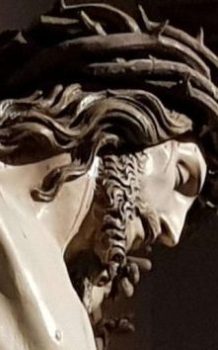
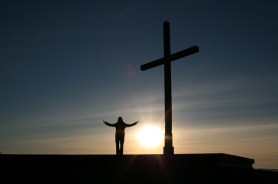
For if we have faith, we entrust our lives to Jesus and are willing to walk in His footsteps while carrying our cross of earthly suffering. When still among us, Jesus implored His fellow men to do as the Master does; to embrace their daily pain and to trust fully in God’s eternal providence that everything we are destined to endure is for our good and for a higher good.
Love is important in and of itself. For if we possessed all other qualities and virtues, yet did not have love, what good would ensue? Who could possibly benefit from offerings made without compassion, from acts devoid of empathy, charity, or the power of forgiveness? Even though any such gift might generally be appreciated by the recipient, if love were absent, the undertaking would lack a most necessary spiritual ingredient—namely Heaven’s blessing, which makes every endeavor complete.
Hope is the desire to endure and never to give up on God’s word, the teachings of His Church, and the many manifestations of the splendid work of the Holy Spirit, who inspires us to search unceasingly for the innermost Truth. Had we no hope, we would fail in this important quest, for there would be no sustained effort to overcome impasses, mental roadblocks, and the distractions of evil forces. At some point, we would simply quit and abandon our responsibility to grow steadily as Christians in seeking to understand the desire of God.
Humility is the prerequisite for hearing the Almighty, discerning His will, and cleansing ourselves of pride and self-grandeur. Nothing can be achieved in our spiritual development if we cling to a vision of self-centeredness and misplaced personal importance. For in our relationship with God, we are entirely dependent and weak. We have no power to determine the beginning of our lives, nor can we decide the date and time of our natural death.
Without God’s cleansing power through the sacrament of penance, we could not successfully overcome the weakening force of original sin that forms part of every person’s human condition. Indeed, the only strength we truly possess is the ability to love our Creator fully for all His wondrous deeds and to praise Him wholeheartedly through our works. Such praise is impossible if it does not emerge from a humble heart.
Finally, a good Christian must be obedient to the command of God. One thing is to understand Heaven’s will; another is to live by it and ask that it become our roadmap to eternity. As long as we do not ask the Almighty to cleanse us through His will, we cannot complete the circle of spiritual wholeness in what is inherently an imperfect state of soul.
Personal holiness—our greatest possible achievement as human beings—requires that all of the above elements be incorporated into our desire to please God, so that we may rightfully be called His faithful children during our earthly existence and be named among the chosen heirs of Heaven’s age to come.

